

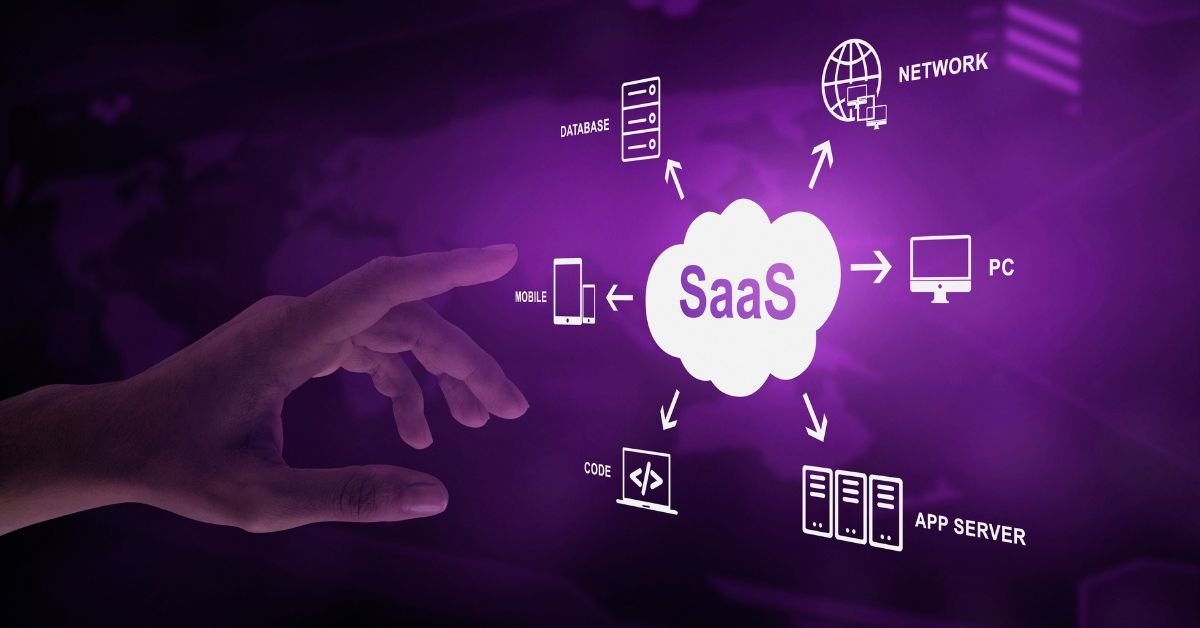
SASE / SSE security has become a big topic because work and apps moved away from the office. Teams now use SaaS, cloud apps, and remote access every day. The old model pushed all traffic back to a data center. That model added delay and cost. It also left gaps when users worked outside the office. SASE solves this by moving protection closer to the user and the cloud app. It uses cloud-delivered security that runs at global edge locations. This helps security teams apply one policy everywhere.
SASE / SSE security for enterprises also fits modern threats. Attackers often steal credentials. They also try to access data from unmanaged devices. They also hide inside normal traffic. It focuses on identity, context, and continuous checks. It reduces blind trust. It also improves visibility. When you inspect traffic in one cloud platform, you get clearer logs. You also get simpler control. Many enterprises now want fewer security tools and fewer consoles. SASE / SSE security supports consolidation because it combines key controls into one service.
What is SASE / SSE security in simple words
SASE / SSE security describes a cloud-first way to secure access to the internet, SaaS apps, and private apps. SASE means Secure Access Service Edge. SSE means Security Service Edge. The names sound complex, but the idea is simple. You put security in the cloud. Users connect to that security layer first. The security layer checks identity and risk. It then allows safe access to apps and data.
SASE / SSE security differs in scope. SASE includes security and networking together. SSE focuses on security only. Many people describe SSE as the security half of SASE. This view appears in multiple vendor explainers and industry guides. In practice, both models aim to protect users everywhere. Both models also aim to replace old perimeter tools with cloud-delivered controls. SASE / SSE security also supports zero trust ideas. It verifies users and devices before access. It also limits what users can reach.
SASE / SSE security: the real difference between SASE and SSE
SASE / SSE security becomes clearer when you separate networking from security. SASE includes a networking layer, usually SD-WAN, plus cloud security services. SSE includes the cloud security services but does not include the SD-WAN part. That difference matters in enterprise planning. If your enterprise wants to modernize branch connectivity and security at the same time, SASE can fit well. If your enterprise already invested in a WAN or SD-WAN, SSE can fit better because you add security without changing the network.
SASE / SSE security also differs in who owns the project. Many security teams lead SSE projects. Many network teams lead SASE projects. Enterprises often want both teams aligned because the traffic path changes. If you route traffic through cloud security points, you must manage performance and user experience. Several guides stress that SASE unifies connectivity and security, while SSE focuses on security controls at the edge. For many enterprises, a practical path starts with SSE and moves toward SASE later.

Table: SASE / SSE security differences that matter
| Topic | SASE / SSE security with SASE | SASE / SSE security with SSE |
| Main scope | Security plus networking | Security only |
| SD-WAN included | Yes | No |
| Typical starting point | Branch and WAN refresh | User and SaaS security refresh |
| Ownership | Network and security together | Security team first |
| Best fit | Full transformation | Quick security improvement |
SASE / SSE security components explained in plain language
SASE / SSE security is not one tool. It is a set of services working together. The most common service is Secure Web Gateway. It filters web traffic and blocks unsafe sites. Another common service is CASB, which controls SaaS use and data sharing. Zero Trust Network Access is another core part. It replaces old VPN patterns by granting access based on identity and context. Data Loss Prevention is also common. It detects sensitive data and stops leaks. Firewall as a Service often appears too. It applies firewall rules in the cloud.
SASE / SSE security makes these services easier to manage because they live in one platform. Policies become consistent. Logging becomes consistent. Teams also reduce tool sprawl. Many vendor explanations list SWG, CASB, ZTNA, and DLP as common SSE building blocks, with SD-WAN added when you build full SASE. Enterprises should also consider secure DNS, sandboxing, and threat intel as part of the full picture. These features help block malware and phishing early. They also help reduce incident workload.
How SASE / SSE security works in a real enterprise day
SASE / SSE security works by placing a security layer between users and apps. A user opens a laptop and tries to access a SaaS app. The device connects to the nearest cloud point of presence. The service checks the user identity. It checks device posture. It checks the app request. It then allows or blocks access. If the user visits a risky website, the secure web gateway blocks it. If the user tries to upload sensitive data, DLP can stop it. If the user needs a private app, ZTNA creates a secure path without exposing the whole network.
SASE / SSE security can also improve performance. The traffic does not need to hairpin through a data center. Instead, it goes to a nearby edge node and then to the cloud app. This reduces delay for global teams. Many architecture descriptions explain that traffic enforcement happens at distributed cloud points of presence, which helps both security and routing. Enterprises should still test performance. They should choose providers with strong global coverage. They should also tune policies to avoid unnecessary inspection on low-risk traffic.
SASE / SSE security benefits for security teams and users
SASE / SSE security helps security teams by reducing gaps. It applies the same rules to users in the office and users at home. It also supports cloud apps without extra appliances. It improves visibility because logs live in one place. It also improves incident response because teams can trace activity faster. SASE / SSE security also supports zero trust access. It reduces reliance on the network location. It focuses on identity and context.
Users also benefit when the rollout is done well. Users get faster SaaS access because traffic goes to nearby edge points. Users also get fewer VPN problems. Users also get safer browsing without extra steps. SASE / SSE security can also reduce repeated sign-ins when it integrates well with identity providers. Enterprises often pick SASE / SSE security because they want simple policy control and fewer tools. Vendor guides often highlight consolidation and cloud-delivered inspection as key value points. The biggest benefit is a more consistent security posture. That consistency matters when users and apps keep changing.

SASE / SSE security challenges and how to avoid pain
SASE / SSE security also brings challenges. The first challenge is change management. Routing traffic through a cloud service changes how networks behave. You must plan carefully. You must roll out in phases. The second challenge is policy overload. If you move many tools into one console, you can create too many rules fast. You need a clear policy model. The third challenge is identity readiness. SASE / SSE security depends on strong identity. If identity is weak, the platform cannot make good decisions.
Another challenge is vendor lock-in. SASE / SSE security platforms can become central to your access path. You should choose a vendor that supports open standards and strong integrations. You should also keep an exit plan. Performance is also a challenge. If the provider has weak coverage in your regions, users will feel delay. That can hurt adoption. Many buyer guides suggest focusing on global points of presence, identity integration, and policy-based management when selecting a platform. A careful pilot reduces risk and builds trust.
SASE / SSE security for remote work, branches, and cloud apps
SASE / SSE security fits remote work because it secures access from anywhere. It does not assume a trusted office network. It checks each session. It also supports secure browsing and SaaS control. For branches, SASE / SSE security can simplify design. Instead of sending all traffic to a main office, branches can connect to the nearest edge. With SASE, SD-WAN can select the best path. Security inspection still happens in the cloud.
Cloud apps benefit too. Many enterprises now use multiple SaaS platforms. Shadow IT becomes common. CASB features help discover and control SaaS use. DLP features help protect sensitive data. ZTNA features help protect private apps without opening inbound access. Multiple articles note that SSE sits between users and apps and applies security policies before granting access, which aligns well with SaaS-heavy environments. SASE / SSE security can also support mergers and acquisitions. It can connect new teams faster because you apply cloud policies without installing many appliances.
How to choose between SASE / SSE security options
SASE / SSE security selection should start with your goal. If you want to improve user and SaaS security fast, SSE can be the best starting choice. If you also want to modernize branch networking, SASE can deliver more value. Your existing contracts matter too. If you already run SD-WAN, you may not want to replace it now. In that case, SSE fits well. Your team structure also matters. If network and security teams work closely, SASE can be easier. If they work in silos, SSE may be safer at first.
SASE / SSE security vendors often offer both in one roadmap. Some vendors lead with cloud security. Some lead with network plus security. Guides often list major vendors that compete in SASE and SSE categories, with many vendors positioning SSE as a subset of SASE. You should evaluate integration with your identity provider, your endpoint tools, and your SIEM. You should also check reporting quality. You should also check data residency support.
Table: Choosing SASE / SSE security based on your goal
| Enterprise goal | Best starting model | Why it fits |
| Secure SaaS and web fast | SSE | Adds cloud security without WAN change |
| Replace VPN with zero trust | SSE | ZTNA becomes the core access method |
| Modernize branches and WAN | SASE | Adds SD-WAN plus security in one design |
| Standardize policy everywhere | SASE or SSE | Both centralize policy, SASE adds networking |
SASE / SSE security adoption roadmap for 2026
SASE / SSE security adoption works best when you move step by step. Start with identity readiness. You need strong single sign-on and multi-factor authentication. Then focus on web and SaaS traffic. Secure web gateway and CASB features deliver quick value. Next, replace high-risk VPN use with ZTNA for key apps. This reduces exposure. Then expand to more apps and more groups. At the same time, improve logging and response. Make sure your SOC receives useful signals. Tune policies so users do not face friction in low-risk sessions.
If you plan full SASE, you can add SD-WAN and branch rollout after the security layer stabilizes. This reduces change risk. Several enterprise architecture guides mention that many organizations adopt SSE first and then move toward SASE later, especially when resources are limited. You should also define success metrics. Track blocked threats, reduced VPN load, fewer incidents, and better user experience. A clear roadmap keeps teams aligned and reduces confusion.
Conclusion: why SASE / SSE security matters for modern security
SASE / SSE security gives enterprises a practical way to protect users, apps, and data in a cloud-first world. It replaces old perimeter thinking with cloud-delivered controls. It also supports remote work and SaaS growth. SSE focuses on security services like SWG, CASB, ZTNA, and DLP. SASE adds SD-WAN and networking modernization. Both models help reduce tool sprawl and improve policy consistency. The best choice depends on your goals and your current network investments. If you want fast security gains, SSE can be a great start. If you want full transformation, SASE can unify networking and security in one approach. When you plan carefully, SASE / SSE security improves protection and user experience at the same time.
FAQs about SASE / SSE security
What is SASE / SSE security in one sentence?
SASE / SSE security is a cloud-delivered approach that secures user access to web, SaaS, and private apps using centralized policies and identity-based controls.
Is SSE the same as SASE / SSE security?
SSE is part of SASE / SSE security. SSE focuses on cloud security services, while SASE includes those services plus SD-WAN networking.
Can SASE / SSE security replace a VPN?
Yes, SASE / SSE security can replace many VPN use cases by using ZTNA, which grants app-level access instead of broad network access.
Who should start with SSE in SASE / SSE security?
Enterprises should start with SSE when they want stronger cloud and remote-work security without changing their WAN or SD-WAN right away.
How do I pick a SASE / SSE security vendor?
Pick based on global coverage, identity integration, policy control, reporting, and how well it fits your network plan. Strong PoP coverage and clear management matter a lot.